
Home Expansion Engineering Needs in Texas Homes
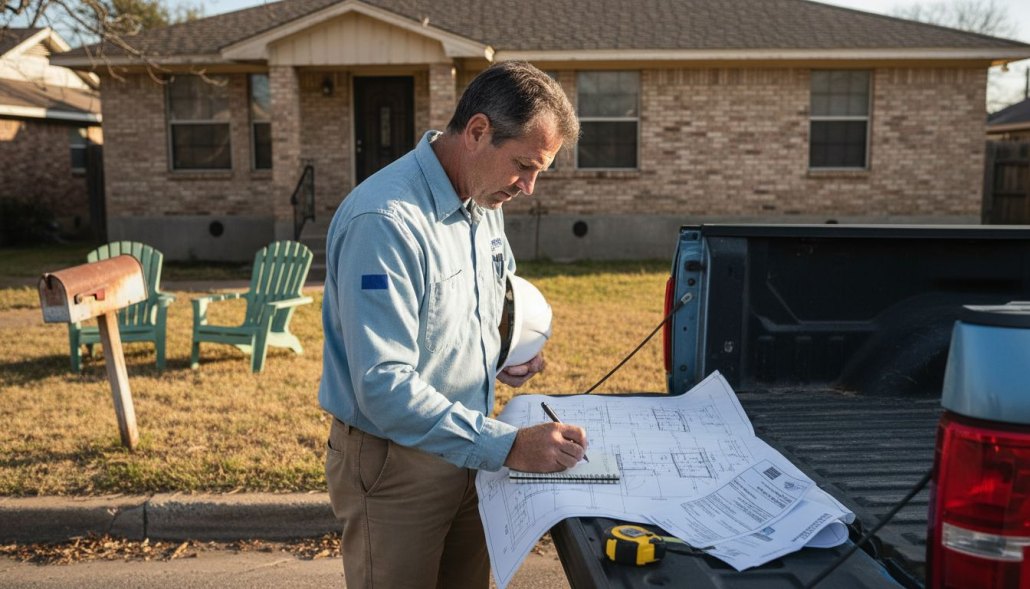
Expanding your home in Houston, Austin, Dallas, or San Antonio is more than adding new rooms—it is about making sure every detail meets strict local regulations. City codes, permitting requirements, and engineering standards vary across Texas, so working with a Texas licensed engineer is the only way to guarantee your project stays safe, legal, and valuable. This guide breaks down what home expansion engineering covers, highlighting the core services and compliance steps that protect you from costly mistakes.
Table of Contents
- What Home Expansion Engineering Involves
- Key Services in Home Expansion Engineering
- Why Residential Engineering Services Matter for Additions
- Key Engineering Services for Expanding Homes
- Core Services for Your Expansion Project
- Texas Building Codes and Permit Compliance
- Why Local Code Variations Matter
- Building Code Compliance Steps
- Steps for Securing Permits and Approvals
- The Permit Submission Process
- Risks, Liabilities, and Common Mistakes
- Common Mistakes That Create Liability
- Protecting Yourself Legally
Key Takeaways
| Point | Details |
|---|---|
| Professional Engineering is Essential | Engaging a licensed engineer ensures your home expansion meets safety codes and avoids costly structural issues. |
| Understand Local Building Codes | Each Texas city has unique regulations for home expansions; compliance is crucial for permits and resale value. |
| Obtain Necessary Permits | Skipping permits can lead to liability issues, denied insurance claims, and significant financial losses during resale. |
| Core Services for Safe Expansions | Key engineering services like foundation assessments and structural design are vital to prevent future problems like settling or water damage. |
What Home Expansion Engineering Involves
Home expansion engineering covers everything needed to plan, design, and legally execute a larger home. It’s the technical backbone that transforms your renovation dreams into a safe, code-compliant reality. This service ensures your addition doesn’t just look right—it actually works.
When you expand your home in Texas, engineers assess your current structure and design additions that integrate seamlessly. They review soil conditions, foundation capacity, and existing building systems. This analysis prevents costly problems down the road.
Structural analysis forms the core of expansion work. Engineers evaluate whether your current foundation can support additional weight, roof loads, and floor systems. They calculate load paths to confirm walls, beams, and support columns distribute weight safely throughout the structure.
Pro tip: Get structural analysis before breaking any walls—discovering foundation limitations after demolition costs thousands more than catching them upfront.
Key Services in Home Expansion Engineering
Expansion engineers handle multiple critical tasks:
- Foundation assessment examines soil bearing capacity and existing foundation integrity
- Structural design creates plans for new walls, beams, and support systems
- Building code compliance ensures designs meet current Texas Building Code requirements
- Construction documents produce detailed plans contractors use to build correctly
- Permit support prepares engineering calculations and drawings for local approval
- Grading and drainage prevents water problems in expanded areas
Engineers must verify that your expansion meets Houston, Austin, Dallas, or San Antonio building codes before construction begins—this protects your investment and resale value.
Why residential engineering services Matter for Additions
Many homeowners skip engineering to save money. This creates serious risks. Without proper design, your addition might settle unevenly, crack interior drywall, or create roof leaks. Building permits require engineer stamps anyway—getting them involved early prevents rework.
Texas licensed engineers verify that new construction integrates safely with existing structures. They identify conflicts between old and new systems, calculate proper ventilation for expanded HVAC, and ensure electrical capacity handles additional loads.
Local inspectors won’t approve unpermitted additions, and lenders won’t finance homes with unpermitted work. Engineering plans accelerate approvals and add legitimate value to your property.
Conseil pro: Start with preliminary structural assessment before hiring contractors—this five-hundred-dollar conversation prevents five-thousand-dollar design mistakes.
Key Engineering Services for Expanding Homes
When you expand your home, multiple engineering disciplines work together to make your addition safe and legal. Each service addresses specific aspects of your project, from soil analysis to construction drawings. Understanding these services helps you budget accurately and know what to expect.
Foundation design and analysis evaluates whether your current foundation can handle the new structure. Engineers test soil conditions, calculate bearing capacity, and determine if additional footings are needed. For slab-on-grade foundations common in Texas, they ensure proper reinforcement and drainage around expanded areas.

Structural design creates the framework for your addition. Engineers size beams, columns, and walls to safely carry roof loads, floor loads, and lateral forces like wind. They verify that load paths flow smoothly from the new structure into existing foundations.
Core Services for Your Expansion Project
Most home expansions require these key engineering deliverables:
- Structural plans and calculations document every beam, wall, and connection in detail
- Foundation drawings show footing depths, reinforcement, and soil preparations required
- Permit-ready documents include sealed engineer stamps and compliance statements
- Retaining wall design prevents soil movement if your addition requires grading changes
- Drainage and grading plans direct water away from foundations and new structures
- HVAC and mechanical coordination ensures systems handle expanded square footage
Professional foundation design and evaluation prevents settling, cracking, and structural failure that could cost tens of thousands to repair later.
Local building departments won’t issue permits without complete engineering documentation. Your contractor needs detailed drawings to bid accurately and build without guesswork. Engineers also coordinate with inspectors at critical stages, catching issues before they become problems.
Retaining walls require special attention in Texas. If your expansion changes terrain, engineers must design walls to withstand soil pressure and drainage forces. Improper wall design fails spectacularly and creates liability for homeowners.
Drainage planning prevents water damage in expanded basements, crawl spaces, or ground-level additions. Engineers slope grades away from foundations, design swales, and specify drainage systems that keep water moving safely off your property.
Pro tip: Request detailed construction documents from your engineer before contractor bids begin—clear drawings prevent expensive change orders and construction delays.
Texas Building Codes and Permit Compliance
Texas does not enforce a single statewide residential building code. Instead, each city and county adopts its own standards, often based on the International Residential Code (IRC). This means Houston, Austin, Dallas, and San Antonio each have different requirements for home expansions. Understanding your local code is absolutely critical before breaking ground.
When you expand your home, local building codes mandate compliance with structural safety, energy efficiency, plumbing, electrical, and fire safety standards. Your engineer must know which specific amendments your jurisdiction has adopted. Missing one requirement kills your permit application.
Why Local Code Variations Matter
Each Texas jurisdiction enforces distinct rules:
- Houston follows its own amendments to the IRC with strict flood requirements
- Austin requires energy code compliance and specific foundation standards
- Dallas enforces wind and ice load requirements for roof design
- San Antonio has unique drainage and grading standards for clay soils
- Other areas may adopt different code editions or regional modifications
Your expansion must meet the code version your jurisdiction currently enforces, not the code that was active when your original home was built.
Building departments conduct inspections at multiple stages: foundation, framing, electrical, plumbing, and final. Each inspector verifies compliance with their specific code sections. Engineers design your addition to pass every inspection stage.
Permits aren’t optional convenience—they’re legal requirements. Unpermitted additions create title problems when you sell, void homeowner insurance coverage for that section, and expose you to liability if someone gets injured. Lenders won’t finance homes with unpermitted work.
Your engineer prepares sealed, stamped construction plans that prove compliance with local codes. These documents become the legal blueprint for your project. Inspectors reference them during each inspection phase.
Here’s a comparison of how major Texas cities address home expansion building codes:
| City | Unique Code Requirements | Inspection Focus | Impact on Expansion Projects |
|---|---|---|---|
| Houston | Strict flood regulation amendments | Floodplain, foundation | May require special waterproofing details |
| Austin | Advanced energy efficiency standards | Foundation, HVAC | Energy upgrades and slab checks needed |
| Dallas | Wind and ice load for roofing | Roof structure, framing | Stronger roof and insulation mandatory |
| San Antonio | Custom drainage for clay soils | Grading, drainage plans | Added drainage and soil reinforcement |
| Rural Areas | Varies by county, older codes often | Less frequent inspections | May lack recent safety amendments |
Building Code Compliance Steps
Proper expansion requires this sequence:
- Identify your jurisdiction’s current code edition and amendments
- Hire an engineer familiar with your specific local requirements
- Design the expansion to exceed minimum code standards
- Submit engineered plans with permit application
- Coordinate inspections as construction progresses
- Document final inspection approval in writing
Code changes happen regularly. The International Residential Code updates every three years. Your local jurisdiction may lag behind these updates by several years. An engineer stays current with whatever code version your town enforces right now.
Pro tip: Call your local building department before hiring an engineer—ask which code edition applies and request their specific amendments list, then provide this to your engineer to avoid design rework.
Steps for Securing Permits and Approvals
The permit process in Texas isn’t complicated, but it demands precision. Your engineer prepares sealed construction plans, and you submit them along with a completed application to your local building department. Missing a single required document delays everything. Plan for a typical review period of 45 days, though some jurisdictions move faster.
Start by calling your building department to confirm exactly what they require. Different cities have different forms, fee structures, and submission methods. Some accept online applications through permitting portals, while others require in-person submissions. Asking now prevents wasted trips later.
The Permit Submission Process
Securing building permits in Texas follows this general sequence:
- Consult your local building department for specific requirements and forms
- Prepare complete documentation including sealed engineer plans and property information
- Complete the application with accurate project details and contractor information
- Submit all materials through your jurisdiction’s required method
- Pay applicable permitting fees (amounts vary significantly by location)
- Track your submission status through online portals or phone follow-ups
- Schedule required inspections as construction phases are completed
Your engineer’s sealed plans are non-negotiable. Building departments won’t review projects without a licensed professional’s stamp and signature. These plans document that your expansion meets all applicable codes and standards.
Multiple permits often apply to home expansions. You’ll typically need general construction permits plus separate electrical, plumbing, and mechanical permits. Each trade has its own approval requirements and inspectors. Your engineer coordinates these, but you need to understand what’s coming.
Incomplete applications get rejected and sent back, consuming 2-4 weeks before resubmission is even possible, so submit everything correct the first time.
Once approved, your permit becomes the legal authorization to build. Inspectors reference your stamped plans throughout construction. Foundation inspection occurs before concrete pours. Framing inspection verifies structural components match the approved design. Electrical and plumbing inspections check code compliance for those systems.
Building departments enforce inspection timelines strictly. You cannot cover framing before the framing inspector approves it. You cannot close walls before electrical and plumbing inspections pass. Violating inspection sequences forces costly demolition to access hidden systems.
Final inspection occurs after all work completes. The inspector verifies that construction matches approved plans and all previous inspections passed. Only after final approval do you legally own the addition.
Pro tip: Schedule inspections at least two days in advance and be present when inspectors arrive—they answer questions about design intent and can catch minor issues before they become bigger problems.
Risks, Liabilities, and Common Mistakes
Skipping professional engineering creates serious legal and financial exposure. Unpermitted work exposes you to liability if anyone gets injured on your property. Insurance companies deny claims for work done without permits. Lenders refuse to finance homes with unpermitted additions, killing your resale value.
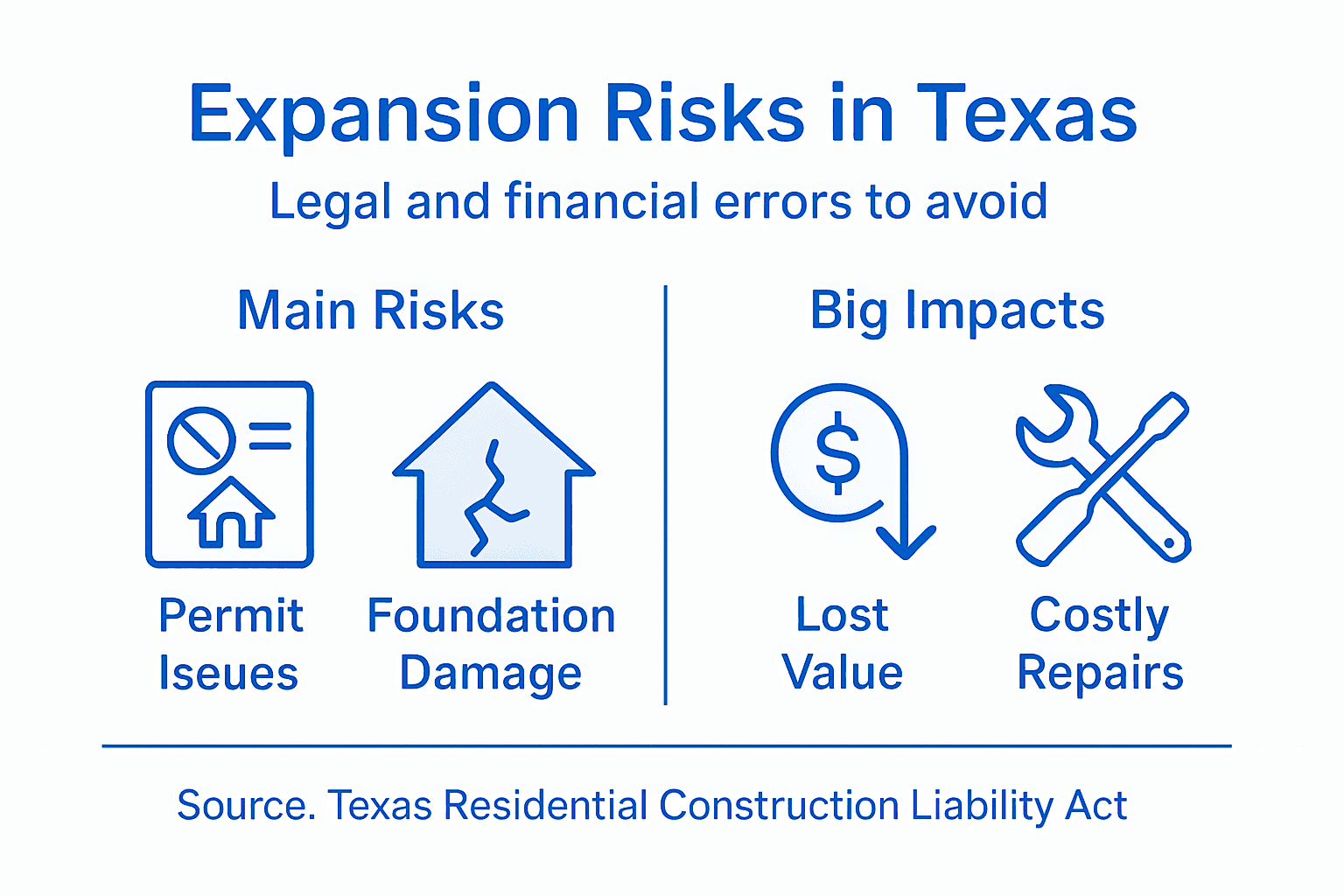
Under the Texas Residential Construction Liability Act, homeowners and builders share responsibility for meeting building codes and contractual standards. Construction defects can trigger costly disputes and legal liability. Your expansion must comply with current code requirements or you face repair obligations and diminished property value.
Common Mistakes That Create Liability
These errors cost homeowners thousands in fixes:
- Skipping engineering consultation and assuming old foundation capacity still works
- Not obtaining permits to save time and money upfront
- Hiring unlicensed contractors without verifying credentials or insurance
- Ignoring drainage problems that cause water damage to new and existing structures
- Inadequate structural design leading to settling, cracking, or roof failures
- Failing final inspections and covering code violations before corrections
Underpermitting expansion work creates title issues when you sell. Title companies discover unpermitted additions during searches. Buyers demand removal or significant price reductions. What you saved on permits costs five times more in negotiations.
Structural failures from poor design collapse suddenly. Undersized beams sag noticeably. Inadequate foundation support causes uneven settling that cracks walls and breaks windows. Foundation failures cost twenty-thousand to fifty-thousand dollars to repair.
Professional engineers protect you legally by ensuring your expansion meets all applicable codes, which is your strongest defense against liability claims.
Water damage represents the costliest expansion mistake. Improper grading, missing gutters, or poor foundation drainage allow water into basements and crawl spaces. Mold follows water, creating health hazards and expensive remediation.
Contractor disputes escalate without clear, engineered specifications. Contractors interpret vague plans differently. When the work doesn’t match expectations, disputes become expensive. Sealed engineering plans prevent these conflicts by documenting exact requirements.
This table summarizes typical risks and legal exposures when skipping professional engineering for home additions:
| Risk Type | Potential Consequence | Financial Impact |
|---|---|---|
| Unpermitted work | Title and insurance complications | Sale delays, denied claims |
| Poor foundation | Structural failure, settling | $20,000–$50,000 repairs |
| Inadequate drainage | Water damage, mold growth | Expensive remediation |
| Unlicensed contractor | Code violations, disputes | Costly legal settlements |
| Failed inspections | Forced demolition, rework | Added labor and timeline |
Protecting Yourself Legally
Minimize expansion risks with these steps:
- Hire a Texas licensed engineer before any construction begins
- Obtain all required permits through your local building department
- Verify contractor licensing and insurance before signing contracts
- Schedule all required inspections at proper construction phases
- Document everything in writing including change orders and approvals
- Keep final inspection approval with your property records
Pro tip: Keep all engineering plans, permits, and inspection approvals in a safe location—these documents prove code compliance when you sell and protect you from future liability claims.
Ensure Safe and Code-Compliant Home Expansions with Expert Texas Licensed Engineers
Expanding your Texas home comes with challenges like foundation assessment, structural design, and strict adherence to local building codes. Avoid costly mistakes such as unpermitted work or inadequate drainage by partnering with trusted professionals who understand your jurisdiction’s unique requirements. Our experienced team at Texas Licensed Engineers delivers comprehensive engineering services tailored for residential expansions in Houston, Austin, Dallas, San Antonio, and beyond.

Discover detailed construction plans, foundation inspections, permitting support, and coordination with local authorities to keep your project on track. Get peace of mind knowing your addition will be safe, legal, and built to last. Visit our TLE Archives – Texas Licensed Engineers | Residential & Commercial for insights and start your consultation today. Take control of your home expansion now by exploring https://texaslicensedengineers.com and secure your project’s success.
Frequently Asked Questions
What is home expansion engineering?
Home expansion engineering involves planning, designing, and executing structural additions to a home, ensuring safety and compliance with building codes.
Why should I hire an engineer for my home expansion?
Hiring an engineer is crucial as they assess structural integrity, ensure code compliance, and prevent costly issues that can arise from unpermitted or poorly designed expansions.
What key services do engineers provide for home expansions?
Engineers offer foundation assessment, structural design, building code compliance, permit support, and drainage planning among other services essential for safe home expansions.
What are the risks of not obtaining permits for home expansions?
Not obtaining permits can lead to legal issues, denial of insurance claims, complications during property sales, and potential structural failures due to unverified designs.
Recommended
- Why Get Engineering Services in Texas Homes – Texas Licensed Engineers | Residential & Commercial
- What Is Civil Engineering and Its Impact on Texas Homes – Texas Licensed Engineers | Residential & Commercial
- 7 Residential Engineering Benefits Every Texas Homeowner Needs – Texas Licensed Engineers | Residential & Commercial
- 8 Key Steps for a Texas Residential Construction Checklist – Texas Licensed Engineers | Residential & Commercial

